Mastering Microvascular Surgery with the Acland Clamp
Wiki Article
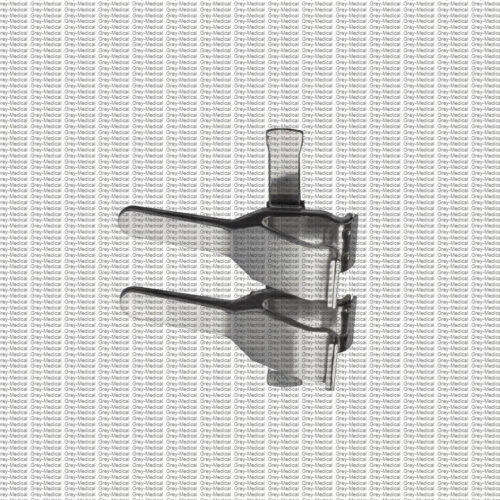
Microvascular surgery requires a level of precision that few other medical disciplines demand. When repairing blood vessels smaller than a few millimeters in diameter, surgeons rely heavily on their tools to achieve successful outcomes. Among the most essential instruments in this delicate field is the microvascular clamp. Specifically, the Acland clamp has become a gold standard for occluding vessels without causing unnecessary trauma or damage to the fragile endothelial lining.
Surgeons face immense pressure during reconstructive procedures, replantations, and free tissue transfers. The ability to temporarily stop blood flow is critical, but doing so without crushing the vessel is an art form facilitated by superior engineering. This specific clamp offers a distinct advantage because its closing pressure is calibrated precisely to hold the vessel securely while remaining gentle enough to prevent structural injury.
Why Precision Matters in Microvascular Tools
The success of a microvascular anastomosis depends on the patency of the vessel after the clamps are removed. If a clamp is too aggressive, it can cause intimal damage, leading to thrombosis and failure of the reconstruction. This is where the Acland clamp shines. Its design typically features non-slip surfaces that grip tissue effectively without the need for excessive force.
For surgeons, the tactile feedback provided by these instruments is invaluable. The lightweight nature of the clamp ensures that it doesn't weigh down the vessel or distort the surgical field, allowing for meticulous suturing. Whether working on arteries or veins, maintaining a clear and dry field is impossible without reliable occlusion, making this tool indispensable in the operating room.
GreyMedical®: A Commitment to Surgical Excellence
Finding high-quality instruments is a priority for any medical facility. GreyMedical® is a privately owned medical technology company dedicated to innovation and excellence in the craft of surgical instruments. They understand that the difference between a successful surgery and a complication often lies in the quality of the tools in the surgeon's hand. By prioritizing ergonomic design and durable materials, GreyMedical® supports healthcare professionals in delivering the best possible patient care.
When sourcing a right angle clamp surgery quality assurance is paramount. Inferior manufacturing can lead to variable closing pressures or misalignment of the jaws, which is unacceptable in microsurgery. GreyMedical® ensures that every instrument meets rigorous standards, giving surgeons the confidence they need to perform complex procedures.
Clinical Applications and Benefits
The versatility of this instrument extends across various surgical specialties. Hand surgery, plastic and reconstructive surgery, and even neurosurgery utilize these clamps for managing small vessels. The compact size of the Acland clamp allows it to fit into tight anatomical spaces where larger hemostats would be obtrusive.
Furthermore, the clamps often come in varying sizes and angulations, allowing surgeons to choose the perfect match for the vessel caliber they are treating. This adaptability ensures that whether the vessel is 0.5mm or 2.0mm, the occlusion remains safe and effective. The matte finish on high-quality versions also reduces glare under the bright operating microscope lights, reducing eye strain during long procedures.
Conclusion
Microvascular surgery is a discipline where margins for error are non-existent. The tools used must act as seamless extensions of the surgeon's hands. The Acland clamp remains a cornerstone of this field, offering the perfect balance of security and gentleness required for vessel repair. By choosing instruments from trusted innovators like GreyMedical®, surgical teams invest in reliability and precision. As medical technology advances, the fundamental need for high-quality, non-traumatic vascular occlusion remains constant, cementing this clamp's place in the future of reconstructive surgery.
Report this wiki page